
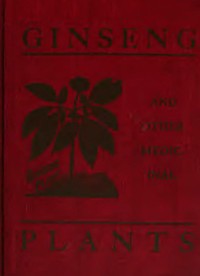
Ginseng and Other Medicinal Plants by A. R. Harding
Published in 1908, A.R. Harding's book is a fascinating hybrid. It's part field guide, part economic manual, and a complete window into early 20th-century American folk medicine. Harding wasn't just a botanist in a lab; he was a collector and reporter, gathering practical knowledge from farmers, woodsmen, and herbalists. The book systematically details plants like ginseng, goldenseal, and bloodroot, but the focus is intensely practical: identification, habitat, harvesting seasons, drying methods, and market prices.
The Story
There isn't a fictional plot, but there is a compelling narrative thread. It's the story of a disappearing way of life. Harding is racing against time, documenting plant lore that was primarily passed down orally. He writes with the urgency of someone who sees valuable knowledge slipping away with each passing generation. The 'story' is his journey to preserve it. Each chapter feels like following him into a different patch of woods or a conversation on a farmer's porch, learning which root to dig in autumn or which bark to strip in spring. The central drama is human survival and ingenuity, using the land's bounty for both health and income.
Why You Should Read It
This book captivated me because of its raw practicality. It strips away modern romance about 'herbalism' and shows it as a hardscrabble, necessary skill. Reading Harding's precise instructions for curing ginseng roots so they don't mold is to understand that this was serious business. You feel the texture of that era—the smell of drying plants in a barn loft, the weight of a sack of roots headed to market. It connects you to a time of direct resourcefulness. It also makes you look at a modern forest or even a weedy ditch with completely different eyes. You start to wonder what secrets the land still holds that we've forgotten how to see.
Final Verdict
Perfect for history buffs who love primary sources, foragers curious about the old ways, or anyone who enjoys 'how-to' books from a different time. It's not a modern herbal with safety warnings and chemical analysis; it's a historical document. Read it not for current medical advice, but for a deeply authentic and engaging trip into America's practical past. You'll come away with a newfound respect for the everyday plant wisdom that built communities.
Legal analysis indicates this work is in the public domain. You can copy, modify, and distribute it freely.
Michael Miller
8 months agoThe digital formatting makes it very easy to navigate.
George Thomas
3 months agoI found the author's tone to be very professional yet accessible, the logic behind each conclusion is easy to follow and verify. It’s a comprehensive resource that doesn't feel bloated.
Sarah Lopez
2 months agoComparing this to other titles in the same genre, the footnotes provide extra depth for those who want to dig deeper. It’s a comprehensive resource that doesn't feel bloated.
Nancy Miller
6 months agoSolid information without the usual fluff.




Jessica Lee
1 year agoClear, concise, and incredibly informative.