
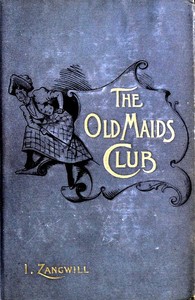
The Old Maids' Club by Israel Zangwill
Israel Zangwill's The Old Maids' Club is a Victorian comedy that feels far ahead of its time. Published in 1892, it pokes fun at society's obsession with marriage with a light but pointed touch.
The Story
The story centers on Lillie Dulcimer, a bright and independent young woman who inherits a fortune. Instead of hunting for a husband, she uses her money to found 'The Old Maids' Club'—a society for women who are single by choice. Their goal is to champion the single life and protect each other from the pressures to marry. Enter Peter St. John, a charming and somewhat smug journalist. He makes a bet that he can get a member of the club to fall in love with him, planning to write a newspaper series about his 'conquest'. He sets his sights on Lillie herself. What follows is a series of clever conversations, debates, and social maneuvers. Peter tries every trick to win her over, while Lillie and her club members defend their philosophy with logic and wit. It's a romantic comedy where the biggest question isn't 'will they or won't they,' but 'can he actually change her mind?'
Why You Should Read It
What surprised me most was how fresh the conversations feel. Lillie's arguments for financial independence, personal freedom, and intellectual companionship aren't just Victorian grievances; they echo conversations happening today. Zangwill doesn't paint the club as a group of bitter women, but as thoughtful, funny people making a conscious choice. Peter, for all his scheming, is also likable, which makes their battle of wits a joy to read. You find yourself rooting for both sides at different moments. The book is less a rant against marriage and more a celebration of having the choice. The humor is gentle and character-driven, coming from the clash of these two strong, smart personalities trying to out-think each other.
Final Verdict
This book is a hidden gem for readers who enjoy classic comedies of manners with a feminist twist. If you like the wit of Jane Austen but wish it questioned the 'marriage plot' a bit more directly, you'll love this. It's also perfect for anyone interested in the quieter, funnier side of Victorian social commentary. The pace is breezy, the chapters are short, and the central debate is genuinely engaging. Don't go in expecting high drama or deep tragedy; go in for a smart, charming, and surprisingly relevant comedy about two people debating the shape of a happy life. You might just find yourself wanting to join the club.
This title is part of the public domain archive. Enjoy reading and sharing without restrictions.
Kimberly Jackson
1 year agoIt took me a while to process the complex ideas here, but the critical analysis of current industry standards is very timely. Highly recommended for those seeking credible information.
Michael Thompson
6 months agoExceptional clarity on a very complex subject.
Richard Rodriguez
2 years agoClear, concise, and incredibly informative.
Nancy Brown
6 months agoThis is an essential addition to any academic digital library.


Linda Miller
1 year agoI appreciate the objective tone and the evidence-based approach.