A
Alejo
Guest
- Thread Author
- #1
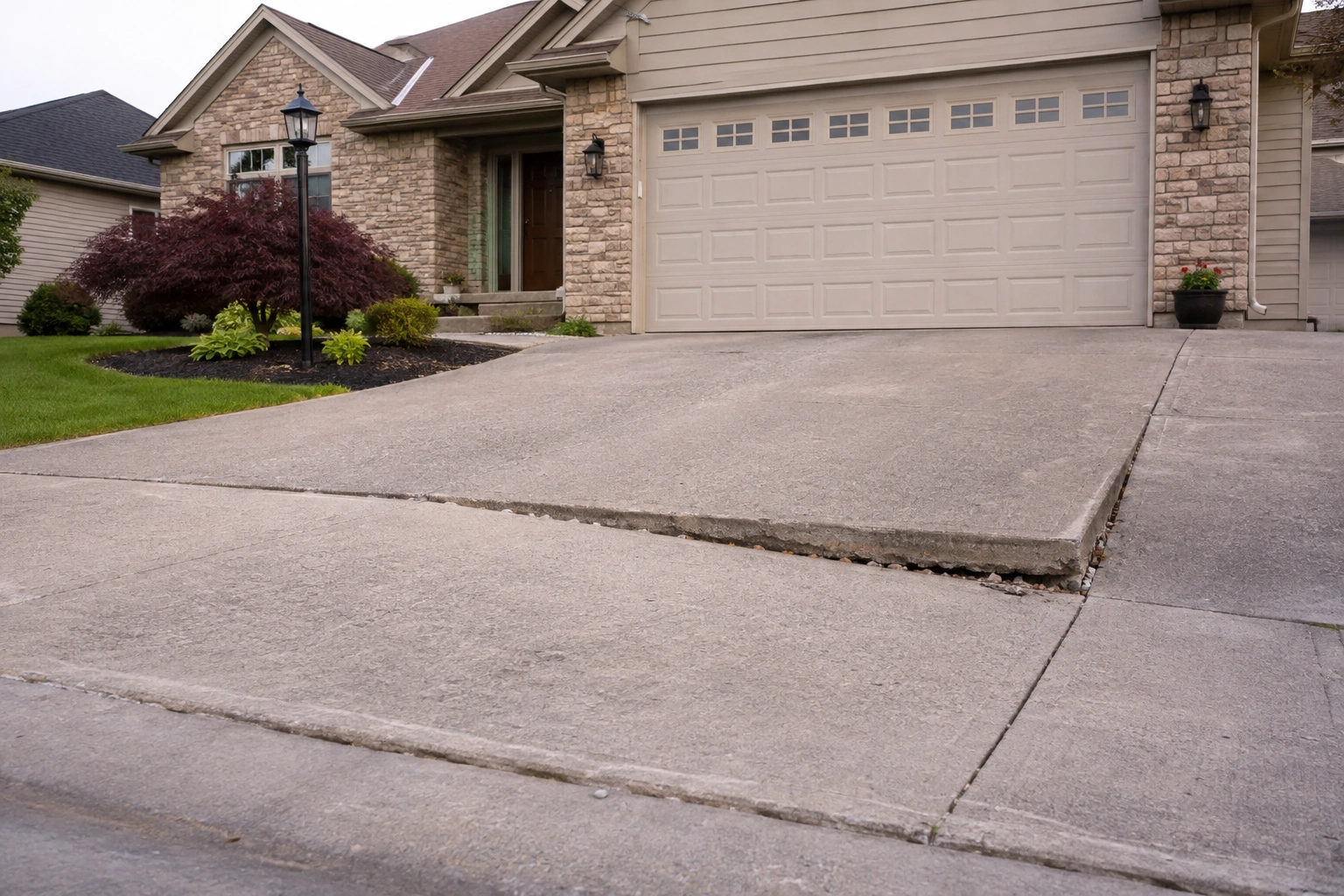
If you have been looking at concrete leveling for a sinking driveway in Akron because one side of your slab is dropping or the trip from the garage to the drive feels uneven, you are not alone. Small changes like these often start before homeowners realize there is a bigger problem underneath.
In Northeast Ohio, a sinking driveway is often tied to the same conditions that cause basement and foundation trouble: wet soil, freeze-thaw cycles, and older homes with aging concrete and weaker support underneath. When the ground shifts, settles, or washes out, concrete can tilt, crack, or sink in one area while the rest still looks fine.
In this article, you will learn the warning signs to watch for, why Akron-area driveways sink, what usually causes the problem, and which repair options make sense. We will also explain how Ohio State Waterproofing approaches moisture and structural issues so you can make a smart decision for your home.
Key Takeaways
- A sinking driveway is often a sign that the soil under the concrete is no longer supporting it properly.
- Watch for cracks, uneven joints, pooling water, and gaps near the garage or foundation.
- Moisture problems can affect both your driveway and your basement, which is why Basement Waterproofing Services often matter too.
- Ohio State Waterproofing’s Multi-Step Basement Waterproofing System helps address water issues that contribute to long-term settling.
- If cracks are part of a larger structural issue, Foundation Repair may be needed in addition to leveling.
Why Northeast Ohio Homeowners Face This Problem
Driveways in Northeast Ohio deal with more than everyday wear. Clay and loam soils in parts of the region hold moisture, then expand and contract as the weather changes, which can slowly undermine concrete slabs over time. In older neighborhoods across Greater Cleveland and Akron, that movement is even harder on driveways that were installed decades ago.
Spring thaws can be especially rough. When snow melts quickly and the ground is already saturated, water can collect under the driveway and soften the soil below it. That is why homes in Northeast Ohio, especially older properties with little drainage support, often start showing signs of sinking after winter or after a stretch of heavy rain.
Freeze-thaw cycles make the problem worse year after year. Water gets into small cracks, freezes, expands, and then opens the crack a little more each season. In many cases, what looks like a simple driveway issue is really a sign that the home needs a closer look at drainage, soil support, and possibly basement waterproofing as well.
Common Causes of a Sinking Driveway
A driveway usually does not sink for just one reason. More often, several small problems work together until the concrete starts to settle or tilt. Here are the most common causes homeowners should know about.
- Poor soil compaction: If the ground under the driveway was not packed tightly enough during installation, it can settle over time.
- Water washing out the base: Rainwater and melting snow can carry soil away from under the slab, leaving empty space.
- Freeze-thaw damage: Water under the concrete freezes and expands, then thaws and leaves weak spots behind.
- Gutter or downspout problems: Water coming off the roof can pool next to the driveway instead of draining away from it.
- Soil that holds too much moisture: Heavy clay soil can stay wet longer, which makes it easier for concrete to shift.
- Foundation settlement nearby: Sometimes the driveway is reacting to a larger structural issue around the home.
Warning Signs You Should Not Ignore
- One side of the driveway sits lower than the other. This usually means the support underneath is uneven.
- Cracks that get wider over time. Growing cracks often show that the slab is still moving.
- Puddles that appear after rain. Water collecting in low spots can point to sinking or poor grading.
- A gap near the garage or sidewalk. Separation often means the concrete has shifted away from nearby structures.
- Visible soil loss along the edge. Missing soil can leave part of the driveway hanging with no support.
- Doors or steps that feel slightly off. If nearby concrete areas also seem uneven, the problem may be spreading.
Health and Structural Impact
A sinking driveway is not just an eyesore. It can create trip hazards, make it harder to open garage doors, and allow water to move toward the home instead of away from it. In some cases, the same moisture that affects the driveway also contributes to basement dampness, musty odors, or mold growth.
According to the EPA Indoor Air Quality guidelines, moisture problems can affect the air you breathe inside your home. That matters because water intrusion and humidity often go together, and what starts outside can become an indoor problem if it is left unaddressed.
| Symptom | Likely Cause | Recommended Action |
|---|---|---|
| Sloping driveway slab | Soil settling or washout under the concrete | Have the area inspected for support loss and drainage issues. |
| Cracks near garage entry | Freeze-thaw movement or structural stress | Check whether Foundation Repair is needed in addition to leveling. |
| Water pooling after rain | Poor grading or low spots in the slab | Improve drainage and ask about Total Excavation Basement Waterproofing if runoff is affecting the foundation. |
| Gaps at the driveway edge | Soil erosion or slab settlement | Schedule an inspection before the void gets larger. |
| Musty odor near the garage or basement | Moisture entering the home | Review Interior Basement Waterproofing options. |
| Uneven walk from driveway to entry | Concrete movement spreading beyond one section | Ask about a full home moisture and structural evaluation. |
Symptoms, Likely Causes and First Actions
Waterproofing Solutions That Work
Multi-Step Basement Waterproofing System
Ohio State Waterproofing’s patented Multi-Step Basement Waterproofing System is designed to manage water from several angles, which is often important when concrete has started to sink because of excess moisture in the soil. It is a smart choice when a driveway problem is happening alongside basement seepage, humidity, or recurring wet spots. The goal is not just to handle one symptom, but to help protect the whole home.
Interior Basement Waterproofing
Interior Basement Waterproofing works by capturing water inside the basement before it spreads across the floor or damages walls. This is helpful when drainage around the home is allowing water to move toward the foundation and contribute to soil problems outside. Many homeowners choose this when they want a less disruptive fix that still addresses the root moisture issue.
Foundation Repair with Stabl-Wall

If the sinking driveway is happening with cracked or bowing walls, the issue may go beyond the slab itself. Foundation Repair with Stabl-Wall
System can help stabilize walls that are moving because of pressure against the foundation. This is especially important when you see wall cracks, bowing, or buckling that suggest the home structure needs support.Crawl Space Waterproofing
If your home has a crawl space, moisture there can affect the soil and air around the house. Crawl Space Waterproofing helps reduce crawl space moisture and limit the kind of damp conditions that can contribute to wider home problems. It is a strong option when your driveway issue seems connected to overall drainage and humidity around the property.
Basement Ventilation with EZ Breathe®
Sometimes the biggest problem homeowners notice first is not a crack, but a musty smell or stubborn humidity. Basement Ventilation using the EZ Breathe® Ventilation System can improve air quality and help control moisture in the basement. This does not level a driveway, but it can be an important part of protecting the home when moisture is affecting both the structure and the air inside.
Total Excavation Basement Waterproofing
For severe cases, Total Excavation Basement Waterproofing can address serious exterior water problems by working from the outside foundation. This is useful when water is repeatedly entering the ground next to the home and causing erosion, poor drainage, or ongoing settlement. In homes with deeper moisture problems, exterior waterproofing may be the most complete long-term solution.
| Solution | Best For | Key Benefit |
|---|---|---|
| Multi-Step Basement Waterproofing System | Homes with recurring water intrusion and moisture concerns | Provides a complete approach to managing water problems |
| Interior Basement Waterproofing | Basements with seepage or damp floors | Captures water before it spreads and causes damage |
| Foundation Repair with Stabl-Wall
| Cracks, bowing walls, or structural movement | Helps stabilize damaged foundation walls |
| Crawl Space Waterproofing | Homes with wet, damp, or mold-prone crawl spaces | Reduces moisture under the home |
| Basement Ventilation with EZ Breathe® | Humidity, odors, and poor air circulation | Improves air quality and helps control moisture |
| Total Excavation Basement Waterproofing | Severe exterior water and drainage problems | Targets the outside source of repeated water intrusion |
Basement Waterproofing Solutions at a Glance
If you are noticing sinking concrete, cracks, or moisture around the house, now is the right time to have it looked at. Schedule a FREE 20-point basement inspection with Ohio State Waterproofing today.
A Real Northeast Ohio Story
A family in Greater Cleveland noticed their driveway had started to slope toward the garage after a long winter. At first, they thought it was just normal aging concrete, but then they saw water pooling after storms and a small crack near the foundation.
During the inspection, the real issue turned out to be more than the driveway. Water was collecting near the home, the basement had signs of seepage, and the foundation was showing stress from years of moisture and freeze-thaw movement. The family learned that what looked like a surface problem was tied to a larger water issue underneath the home.
Ohio State Waterproofing recommended a combination of Interior Basement Waterproofing and Foundation Repair, along with a drainage plan to help protect the house going forward. After the work was completed, the basement stayed dry, the air felt better, and the homeowners said the driveway and home finally felt stable again in their minds.
We thought it was just a driveway problem, but it turned out to be a bigger moisture issue. Now our basement is dry, and we finally have peace of mind.
Is It Worth the Investment?
When you fix a sinking driveway early, you often avoid more costly damage later. Waiting can allow water to keep eroding the soil, which may lead to bigger cracks, foundation issues, or basement moisture problems that are harder to correct.
The real value is not just in fixing the concrete. It is in protecting your home, avoiding repeated repairs, and reducing the stress that comes with wondering whether the problem is getting worse.
| Intervention | When to Act | Value or Risk Avoided |
|---|---|---|
| Driveway leveling | When the slab begins to slope or crack | Prevents trip hazards and further settlement |
| Interior waterproofing | When basement seepage appears | Helps stop water damage and humidity buildup |
| Foundation repair | When walls crack, bow, or shift | Protects structural stability |
| Crawl space waterproofing | When moisture or odors come from below | Reduces hidden dampness under the home |
| Exterior excavation waterproofing | When problems keep returning from outside | Addresses the source of repeated water intrusion |
- Check where water drains after rain.
- Keep gutters and downspouts away from the foundation.
- Look for new cracks every few months.
- Watch for musty odors or damp spots in the basement.
- Schedule regular inspections if your home is older or has had moisture issues before.
How Ohio State Waterproofing Works
- FREE 20-Point Inspection — A comprehensive, no-obligation assessment of your basement, foundation, crawl space, and grading.
- Diagnosis — The team identifies the type of intrusion, the severity, and the root cause, and includes a free mold and air test.
- Custom Proposal — You receive a tailored mix of services matched to your home using the patented Multi-Step System.
- Installation — Certified, trained Ohio State Waterproofing technicians perform the work from the same Greater Cleveland team serving the community since 1978.
- Verification and Ongoing Support — The team completes performance testing, reviews the results with you, and explains the maintenance plan and transferable lifetime warranty.
According to the EPA Mold and Moisture resources, controlling moisture is one of the most important steps in reducing mold risk inside the home. If your driveway problem is part of a larger water issue, that is one more reason to have it checked before it spreads.
Frequently Asked Questions
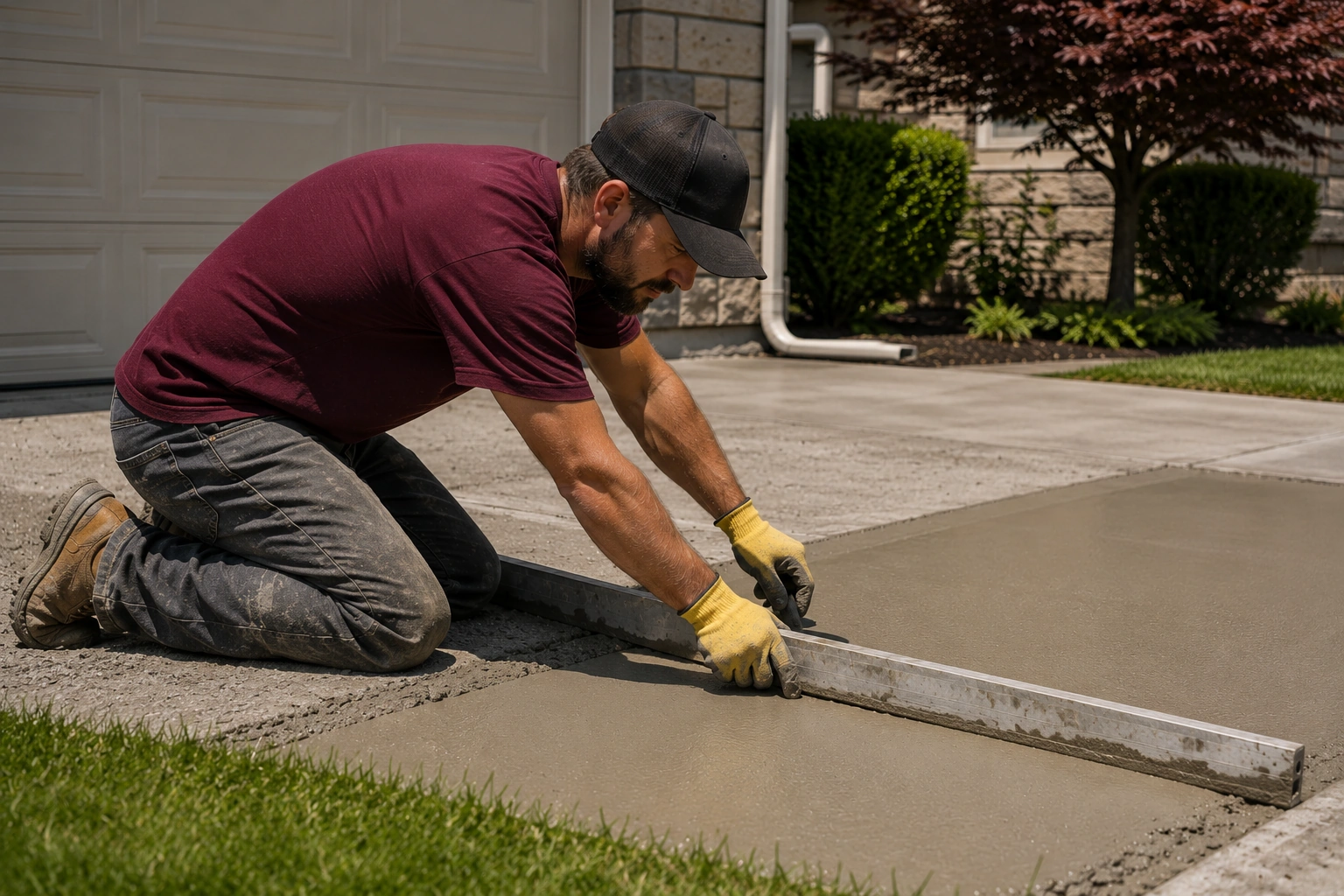
How do I know if I need concrete leveling for a sinking driveway in Akron?
You may need leveling if one side of the driveway is lower than the other, water pools after rain, or cracks keep getting worse. These signs usually mean the soil under the slab has shifted or washed away. The sooner you look at it, the easier it is to prevent more damage. A good first step is to compare the slope near the garage with the rest of the slab and then review Foundation Repair if you also see wall cracks.
Can a sinking driveway affect my basement too?
Yes, it can, especially if the same water that is causing the driveway to settle is also moving toward your foundation. Moisture problems often travel together, so a driveway issue can sometimes point to a basement drainage problem. That matters because hidden water can lead to odors, dampness, and long-term structural stress. If you notice both symptoms, look into Basement Waterproofing Services as part of the solution.
What causes a driveway to sink in Northeast Ohio?
The most common causes are settling soil, water erosion, and freeze-thaw movement. In Northeast Ohio, weather changes can make these problems happen faster because wet soil freezes, expands, and then weakens again when it thaws. Even a driveway that looked fine for years can begin to drop after a few rough seasons. Check your downspouts first, because roof water often makes the problem worse.
Do I need foundation repair if only the driveway is sinking?
Not always, but it is worth checking if you also see cracks in the foundation or walls nearby. A sinking slab can be an isolated concrete issue, or it can be a sign that the home itself is moving. That is why a full inspection is helpful before you assume it is only a surface problem. If wall movement is present, learn more about Stabl-Wall
System.What should I do right now if I notice a new crack in my driveway?
Start by watching whether the crack gets longer, wider, or starts collecting water. A single small crack is not always an emergency, but it can become one if the soil underneath keeps moving. Take a photo now so you can compare it later and keep an eye on drainage after rain. If you want a professional opinion, you can get a free inspection.
How does Ohio State Waterproofing handle moisture problems in older homes?
Ohio State Waterproofing looks at the whole home, not just one crack or one wet spot. That matters in older Northeast Ohio homes, where age, soil movement, and moisture often work together. The team can recommend the right mix of waterproofing, ventilation, and structural support based on what your home actually needs. If humidity is part of the issue, read more about Basement Ventilation.
Take the First Step Toward a Dry, Safe Basement
Schedule a FREE 20-point basement inspection with Ohio State Waterproofing today. With a transferable lifetime warranty, a free mold and air test, over 90,000 satisfied customers, and more than 30 years serving the same Northeast Ohio community, you can move forward with confidence.
#BasementWaterproofing #NortheastOhio #AkronHomes #GreaterCleveland #FoundationRepair #HomeProtection #WetBasement #OhioStateWaterproofing