
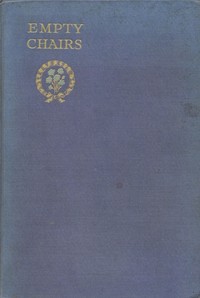
Empty chairs by Squire Bancroft
Let's be clear from the start: Empty Chairs is not a novel. If you're looking for a plot with a beginning, middle, and end, you won't find it here. Instead, it's the personal scrapbook of Squire Bancroft, a giant of the 19th-century British stage. He was there for it all—the rise of modern theater management, the shift from old-fashioned melodrama to more realistic plays, and the birth of celebrity culture as we'd recognize it.
The Story
The book is structured as a series of recollections and character sketches. Bancroft uses the metaphor of 'empty chairs' at a dinner party to invite the spirits of his departed friends and colleagues back for one last conversation. Each chapter is essentially a new guest arriving. He talks about his long professional partnership and marriage with his wife, Marie Wilton. He shares incredible anecdotes about literary lions like Charles Dickens (who gave acting advice!) and William Makepeace Thackeray. He gives you the inside scoop on theatrical legends: the commanding presence of Henry Irving, the genius of playwright Tom Robertson, and the luminous talent of Ellen Terry. He doesn't just list their achievements; he paints pictures of their personalities, their quirks, their failures, and their backstage moments.
Why You Should Read It
This book is special because it has zero pretension. Bancroft isn't writing for scholars; he's writing as if he's telling you stories over a fire. You feel his genuine affection and sometimes his polite frustrations with the people he knew. It removes the dusty glass case from history and lets these figures breathe. You learn that Dickens was a passionate but not-so-great actor, that managing a theater was a constant financial gamble, and that Victorian actors dealt with gossip columns and public scrutiny much like stars do today. The warmth and intimacy are what make it compelling. It’s history that feels alive.
Final Verdict
This is a perfect read for anyone who loves theater, history, or just great human stories. If you're a fan of shows about bygone eras or enjoy biographies, you'll sink right into Bancroft's world. It's also a goldmine for writers or actors looking for a raw, unfiltered look at the creative life over a century ago. Fair warning: it's a relaxed, meandering read, not a page-turner. But if you let Bancroft guide you through his memory palace, you'll be richly rewarded with a front-row seat to a vanished world.
This title is part of the public domain archive. You can copy, modify, and distribute it freely.
Linda Perez
4 months agoComparing this to other titles in the same genre, the breakdown of complex theories into digestible segments is masterfully done. Well worth the time invested in reading it.
William Martinez
1 year agoThe peer-reviewed feel of this content gives me great confidence.
Matthew Taylor
11 months agoIt effectively synthesizes complex ideas into a coherent whole.
Joseph Torres
10 months agoWow.

Jennifer Brown
1 year agoInitially, I was looking for a specific answer, but the author doesn't just scratch the surface but goes into meaningful detail. An excellent example of how quality digital books should be formatted.